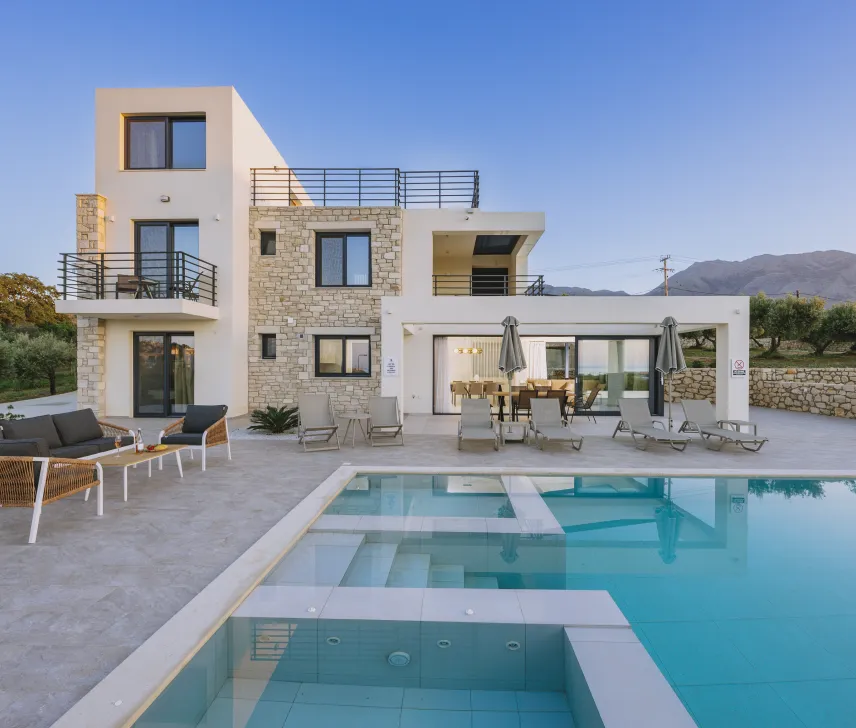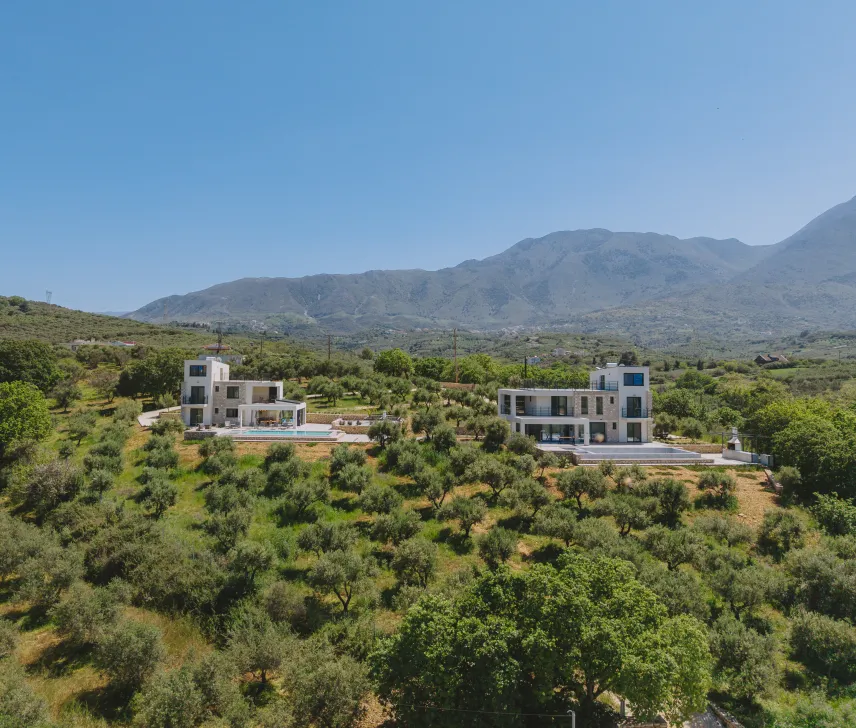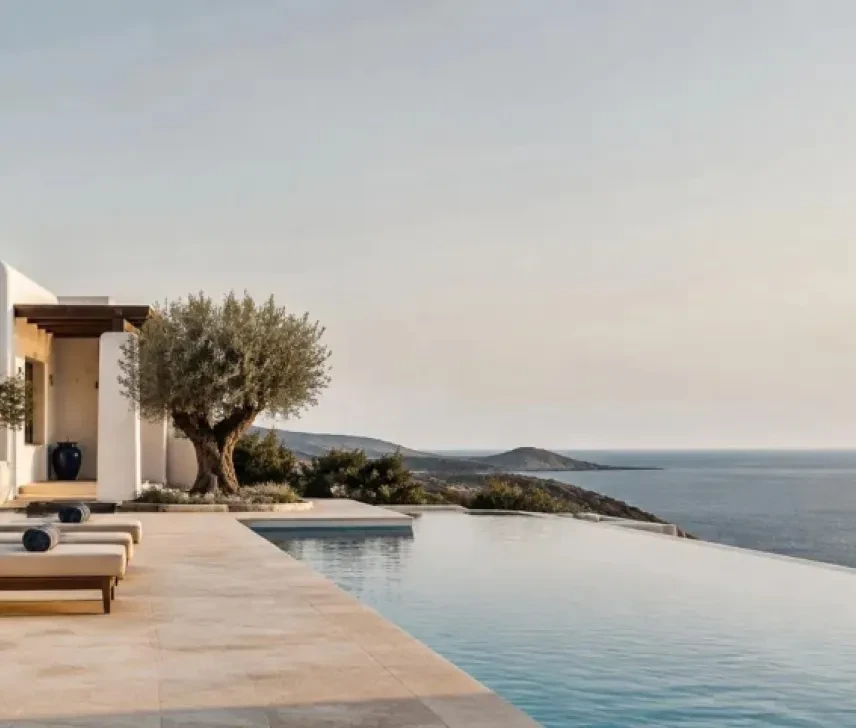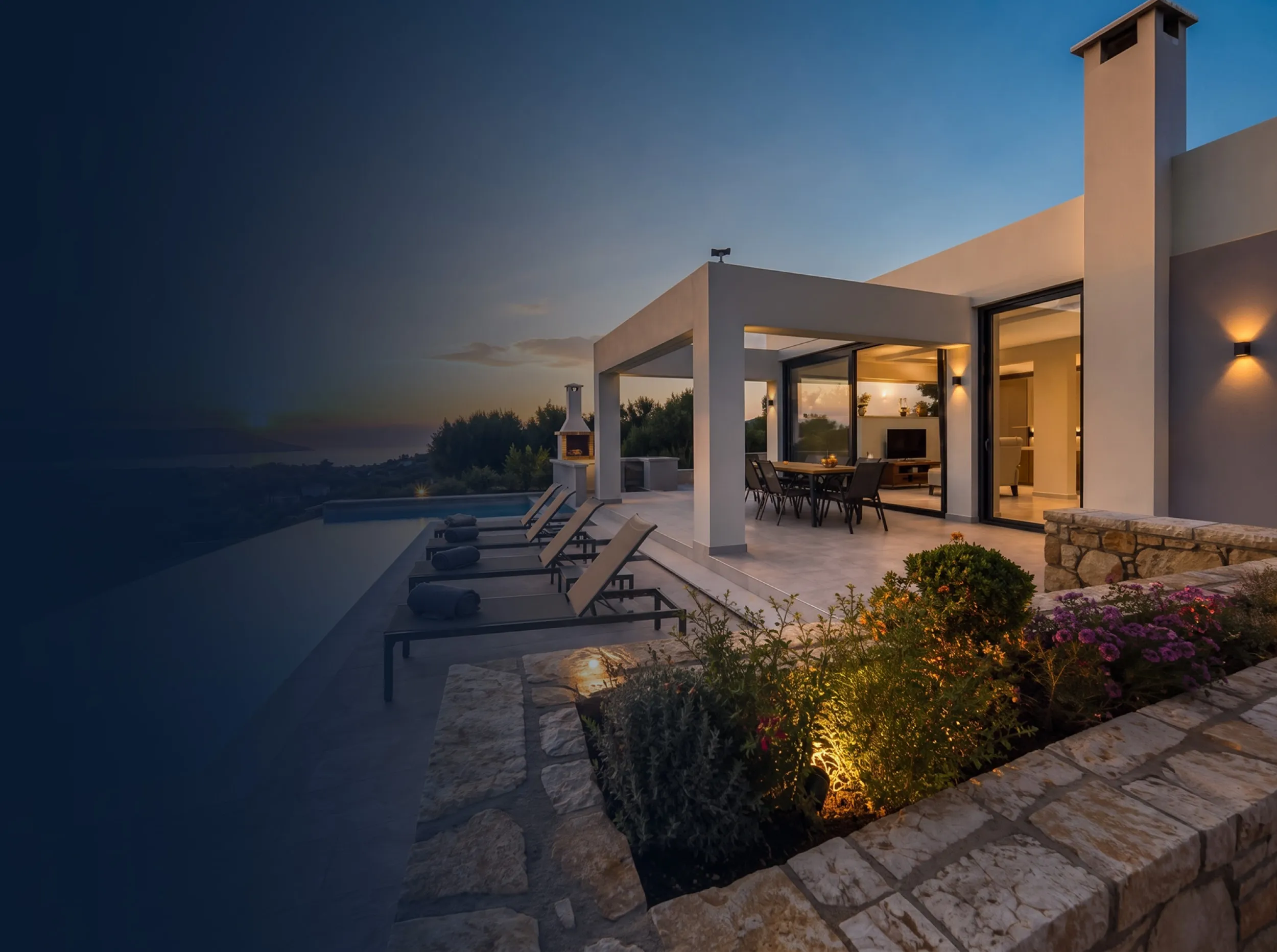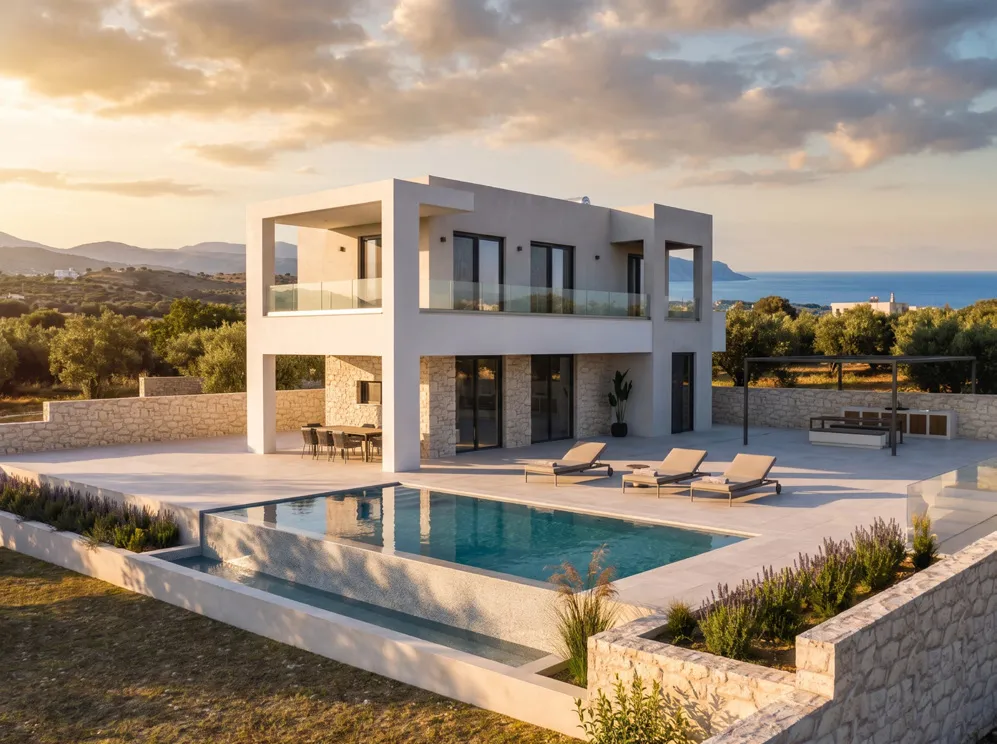
A stable market, growing demand and unique nature make Crete one of the best places in the Mediterranean to invest in property.
Crete is the largest Greek island and one of the most varied places in the Mediterranean: mountains and gorges, a long coastline, olive groves and lively historic towns. For many buyers it starts as a holiday they fall in love with and only later becomes a place to own a home. Here we look at why Crete appeals to property buyers and, just as importantly, at what to check before you commit.
A mild climate and a long season
Crete has a typically Mediterranean climate: long, warm, dry summers and mild, relatively short winters, with most of the rain falling between late autumn and early spring. Spring arrives early, autumn lingers, and the sea is pleasant for swimming for a good part of the year. For an owner this matters twice over: a house here can be enjoyed for many months rather than a few weeks, and the island draws visitors beyond high summer, from walkers in spring to people seeking quiet in autumn.
More than tourism
Tourism is a major part of the island's economy, but not the only one. Crete has a strong farming tradition, from olive oil and wine to citrus fruit, vegetables and cheese, and its main cities have universities, hospitals, ports and public services. Heraklion, Chania and Rethymno are living towns all year round, not resorts that close in November, so shops, services and infrastructure keep working outside the season.
Easy to reach
Crete has two international airports, in Heraklion and Chania, and ferry connections to the mainland through the ports of Heraklion and Souda near Chania. In season many European cities have direct flights; in winter the choice is narrower and connections often go through Athens. For owners who live abroad, this is a practical question: how easily you, your family and your guests can reach the house.
A European legal framework
Greece is a member of the European Union and of the eurozone. Property purchases are completed before a notary, ownership is recorded in the land registry (cadastre), and the buyer works with their own lawyer, who checks the title and the documents before anything is signed. Every buyer, Greek or foreign, needs a Greek tax number (AFM). The procedures are clear but have their particulars, so independent legal advice is essential.
Demand for a way of life
Many people come to Crete not for square metres but for a way of life: the sea and the mountains, Cretan food, a slower pace and a sense of community in the villages. Buyers' goals vary accordingly: a holiday home, a place to retire, a base for remote work, or a house to rent out for part of the year. Each goal points to a different type of property and location.
Different regions, different markets
Crete is not one single market. The area around Chania and Apokoronas, with its villages between the sea and the White Mountains, attracts people who value greenery, views and village life close to a town. Rethymno combines a historic old town with a long sandy beach and villages in the hills. Heraklion is the island's largest city and its economic centre, with a more urban character. Coastal resorts, inland villages and city neighbourhoods differ in prices, rental patterns, winter access and off-season life, so it is worth visiting an area at different times of year.
What to check before you buy
- Title and documents. Your lawyer should check ownership, any encumbrances, the cadastre record and whether existing buildings match their permits. Unpermitted or retrospectively legalised additions are common on older houses.
- Plot and permits. For land, find out whether it can be built on, what the minimum plot size is, whether there is road access, and how water and electricity can be connected. For a new house, the building permit and engineering studies come first; construction starts only after that.
- Short-term rental rules. Renting to holidaymakers requires registration and compliance with rules that depend on the type of property and have changed in recent years. Check the current requirements with a lawyer or accountant before you count on rental income.
- Running costs. Budget for maintenance, pool and garden care, insurance, utilities, property taxes and, if you rent the house out, management and cleaning. Salt air and the summer sun take their toll on materials.
- Seasonality. Occupancy and life around the house depend heavily on the season, especially in resort areas.
- Your own goals. A family home, a rental and a long-term investment are different briefs. Know which one you are buying.
This article is general information, not investment, legal or tax advice. Please consult a qualified lawyer, an accountant and, where relevant, a financial adviser before making a decision.
How we can help
Aslanidis Estate is a family construction and real-estate company based in Rethymno. Since 2010 we have worked mainly in Apokoronas, Rethymno and Heraklion: we help clients find a house or a plot, build turnkey villas from the building permit to handover, and manage finished properties. If you are considering Crete, book a consultation and we will talk through your goals and the areas that suit them.